Product inspection isn't a one-time event. Professional QC programs use multiple inspection stages, each serving a different purpose. Understanding IPC, DUPRO, and FRI helps you build the right inspection strategy for your products and risk level.
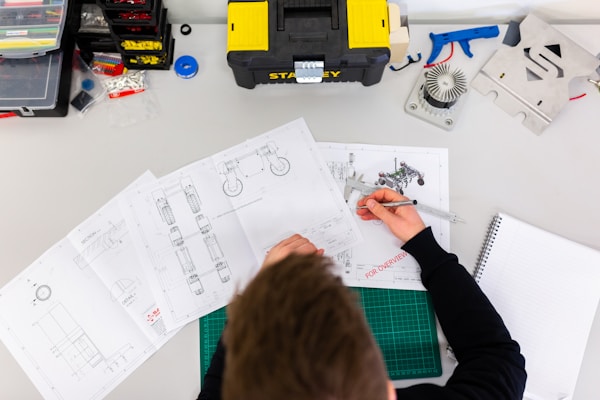

IPC: Initial Production Check (10-20% Complete)
IPC occurs when 10-20% of production is complete. The inspector reviews raw materials, checks production setup, verifies first articles against approved samples, and identifies potential issues before they affect the full batch.
IPC is essential for new suppliers, new products, or complex manufacturing processes. Catching issues at 10% complete costs 10x less than catching them at 100%. However, IPC cannot verify final product quality — it's a preventive measure, not a quality gate.
DUPRO: During Production Check (30-60% Complete)
DUPRO happens mid-production, when 30-60% of units are finished. The inspector checks semi-finished and finished products, verifies that earlier IPC findings were addressed, and catches any new issues that emerged during scaling.
DUPRO is valuable for large orders (>$50K) or when IPC identified issues that needed correction. It provides a mid-point quality check without waiting for production completion. Many experienced importers skip IPC and go straight to DUPRO for repeat orders from trusted suppliers.
FRI: Final Random Inspection (80-100% Complete)
FRI is the most common inspection type. It occurs when production is 80-100% complete and at least 80% of goods are packed. The inspector pulls a random sample from finished, packed goods and performs full inspection per your specifications.
FRI is your final quality gate before shipment. It verifies that the finished product meets requirements, checks packaging and labeling, and provides the data for your accept/reject decision. Every shipment should have FRI unless you have extraordinary trust in the supplier.
Loading Supervision: The Final Safeguard
Loading supervision ensures the correct quantity is loaded, proper handling procedures are followed, and containers are sealed properly. It's inexpensive ($99-149) and prevents the nightmare scenario of paying for goods that never arrive.